Open pile
A freestanding heap. Walk a full circle round it and everything is measured.
A phone app that measures gravel, sand, soil and mulch heaps as you walk round them: volume, tonnes, contours and a 3D model. iPhone first, Android soon after.
01Why measure it
A tape and a guess.
A count of loader buckets.
A call to the surveyor that lands next week.
Stockpile swaps the guess for one slow lap.
Every yard has its own way of working out what is in the heap, and each one costs time or trust. Stockpile shows its working, and says what it did not see.
02Pile in, number out
03The app
Find the ground, then walk a slow lap. The phone takes photographs as you go and tells you when it is Ready. Tap Finish and it builds the pile from them.
Volume, tonnes for your material and how much of the pile was measured, on the phone before you leave the yard.
A two-page PDF and a 3D model your customer can spin, out through your own mail.
Screens show the app's demo scan.
04Try it
Drag round the pile. Whatever you walk past turns green. The flat top, which no one can see from the ground, is filled in from the slopes round it.
On a keyboard, click the pile and use the arrow keys.
05The result
This is the result screen from the app, working. Pick a material, switch units or turn the pile.
Red is the flat top of the heap, which a walk round from the ground cannot see. The app fills it in from the surface round it, counts it as estimated and says how much. Drag the pile to turn it.
06The report
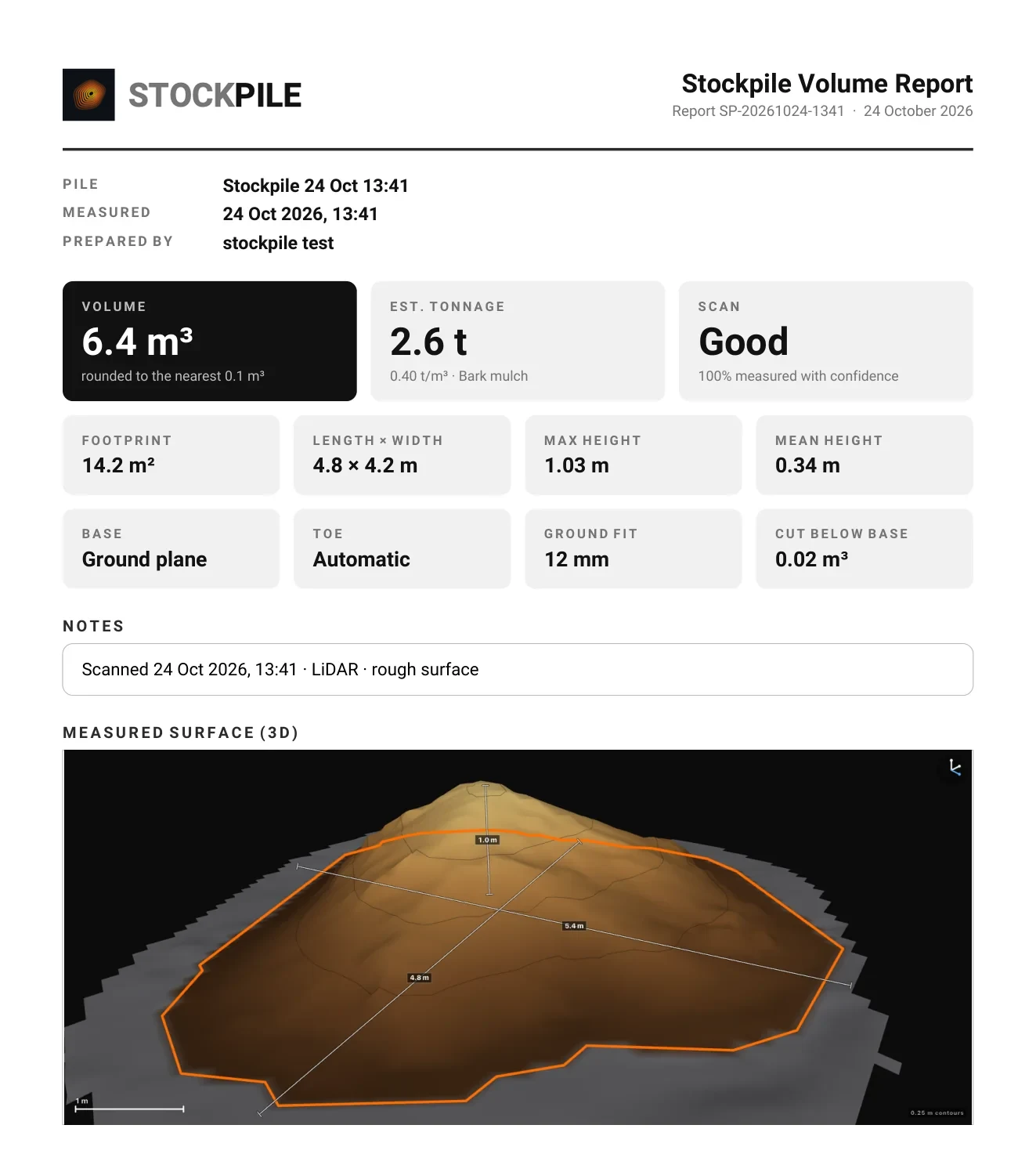
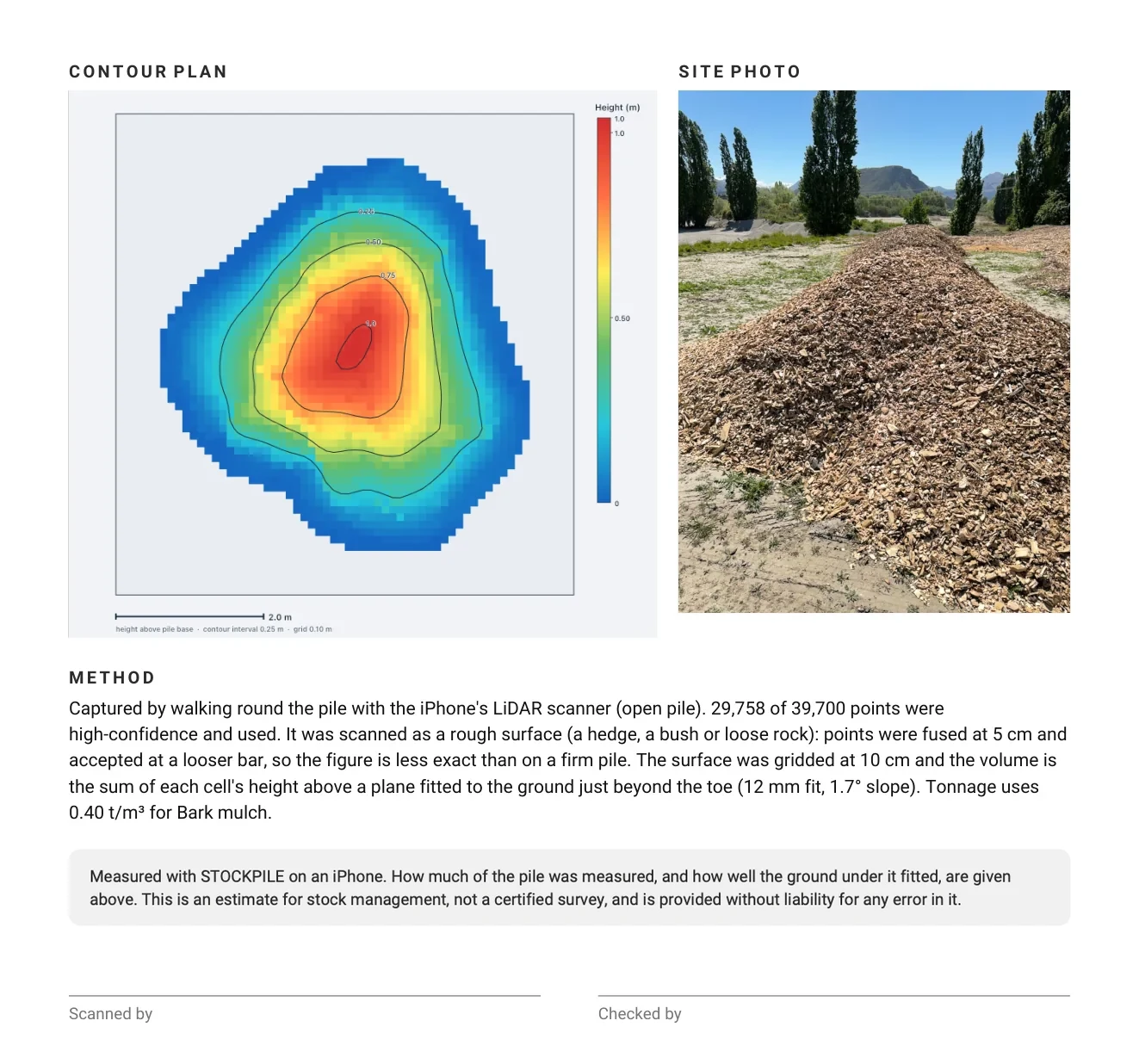
A real report from a scan of a bark mulch heap on 24 October 2026, in today's report layout. Two pages, emailed from the yard.
07Pile modes
The app finds the ground, and any walls, before it counts anything.
A freestanding heap. Walk a full circle round it and everything is measured.
Piled against a face. Scan from the open side. The app finds and locks the wall, then rebuilds the face you cannot reach.
Stacked where two walls meet. Both hidden faces are rebuilt to the corner line.
A back wall and two sides. All three hidden faces are rebuilt, and if a wall cannot be found confidently, the app warns you instead of guessing.
Material dug out. Walk along the edge and look in: the volume is everything below the ground round it.
08Honest numbers
The share of the pile the scan actually saw, shown as measured cover on every result and in every report.
Faces behind a wall are rebuilt to the wall line, and the report says which method was used.
Anything the scan did not see is drawn red. A gap is left out of the volume. A top out of reach is carried across from the surface round it and counted as estimated, and the result says how much.
A scan that cannot support a volume says why instead of giving one.
09The yard
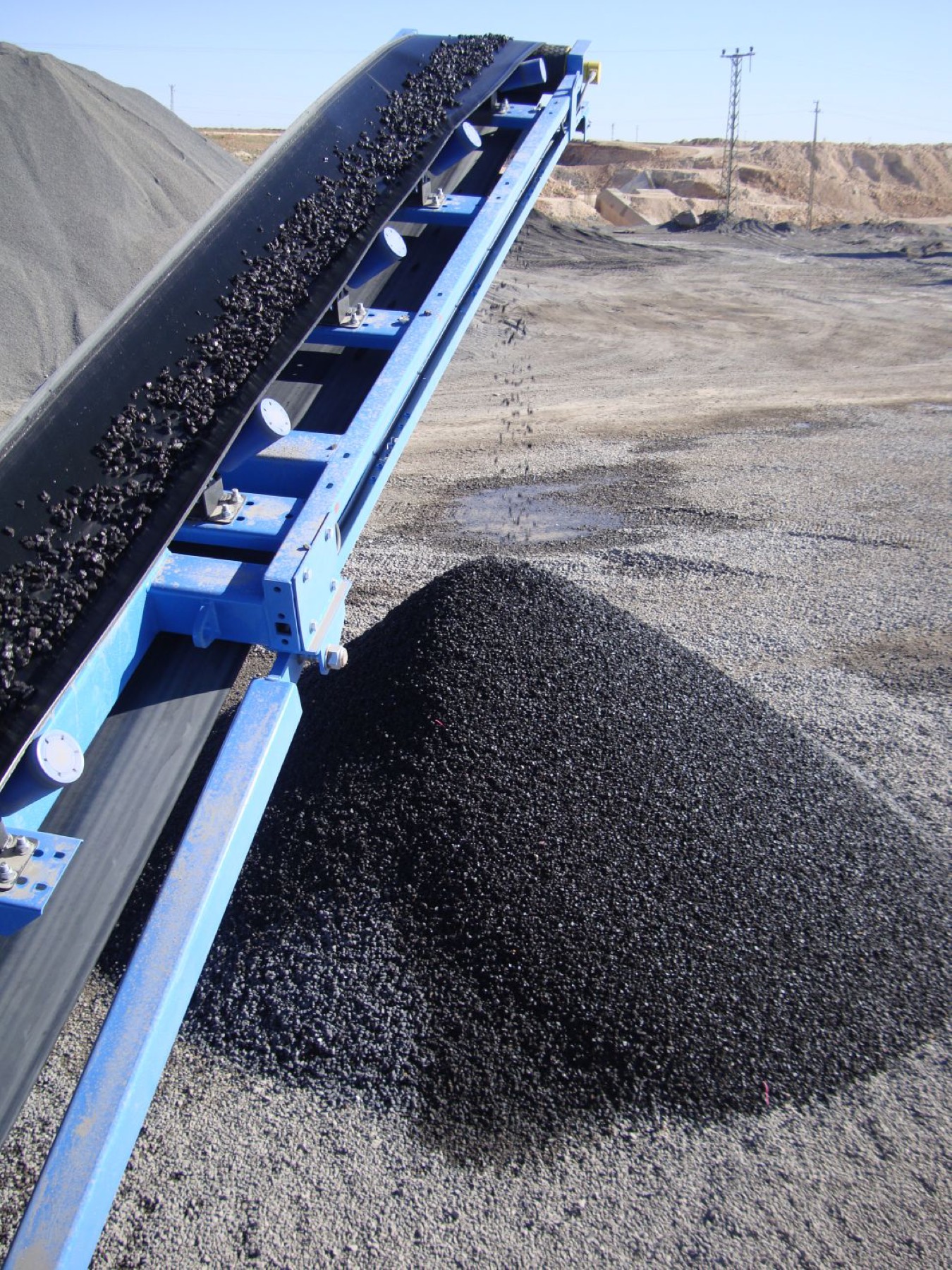
Sloping pads. The ground is fitted from a ring round the pile, so a fall across the yard is measured, not ignored.
Flat tops. A heap the loader has driven over is measured as it stands.
Walls and bays. The app finds the wall first and rebuilds the face you cannot walk.
No LiDAR. Phones without it measure from the camera's photographs, with rougher figures, and the app says so before you start.
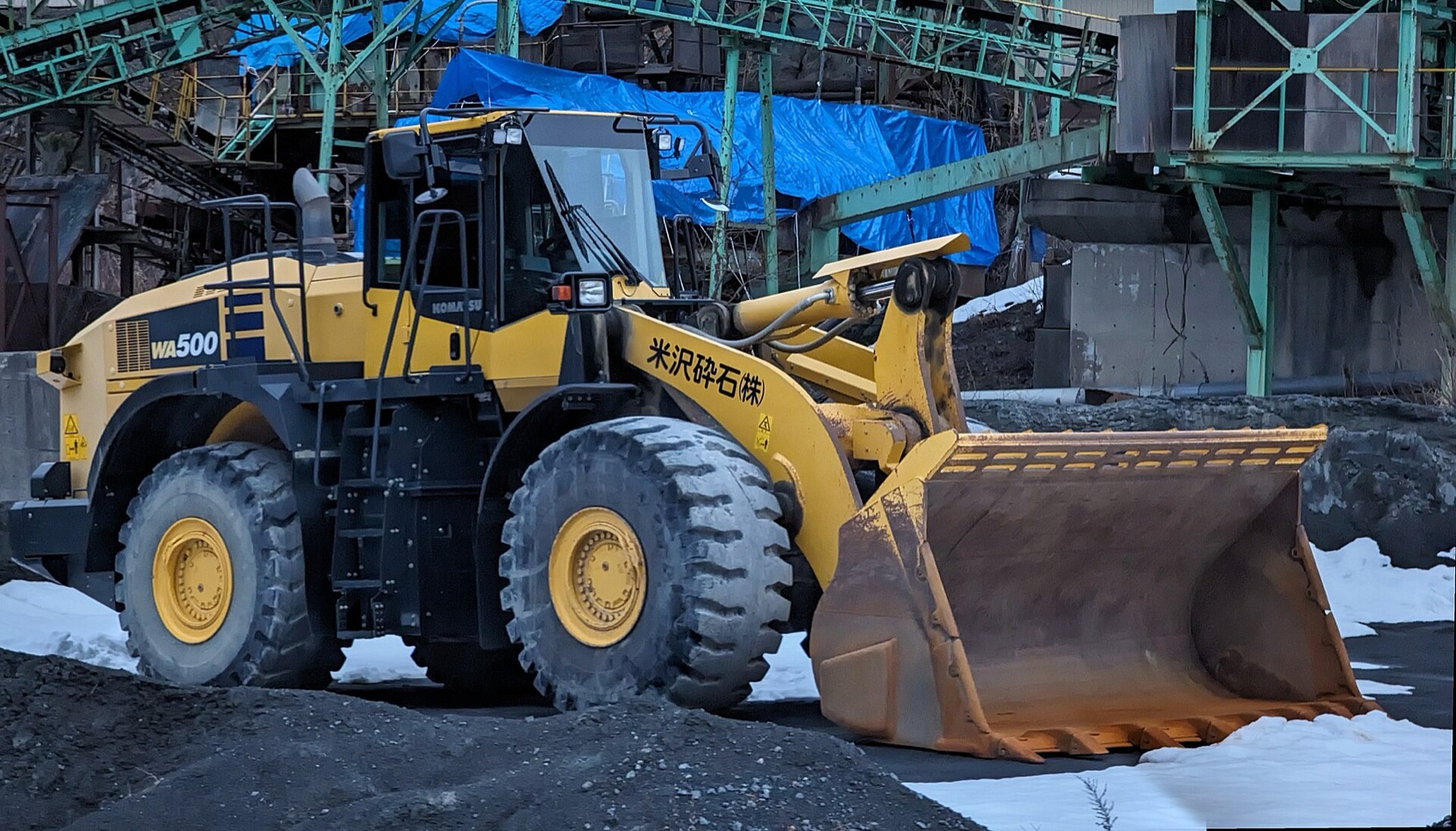
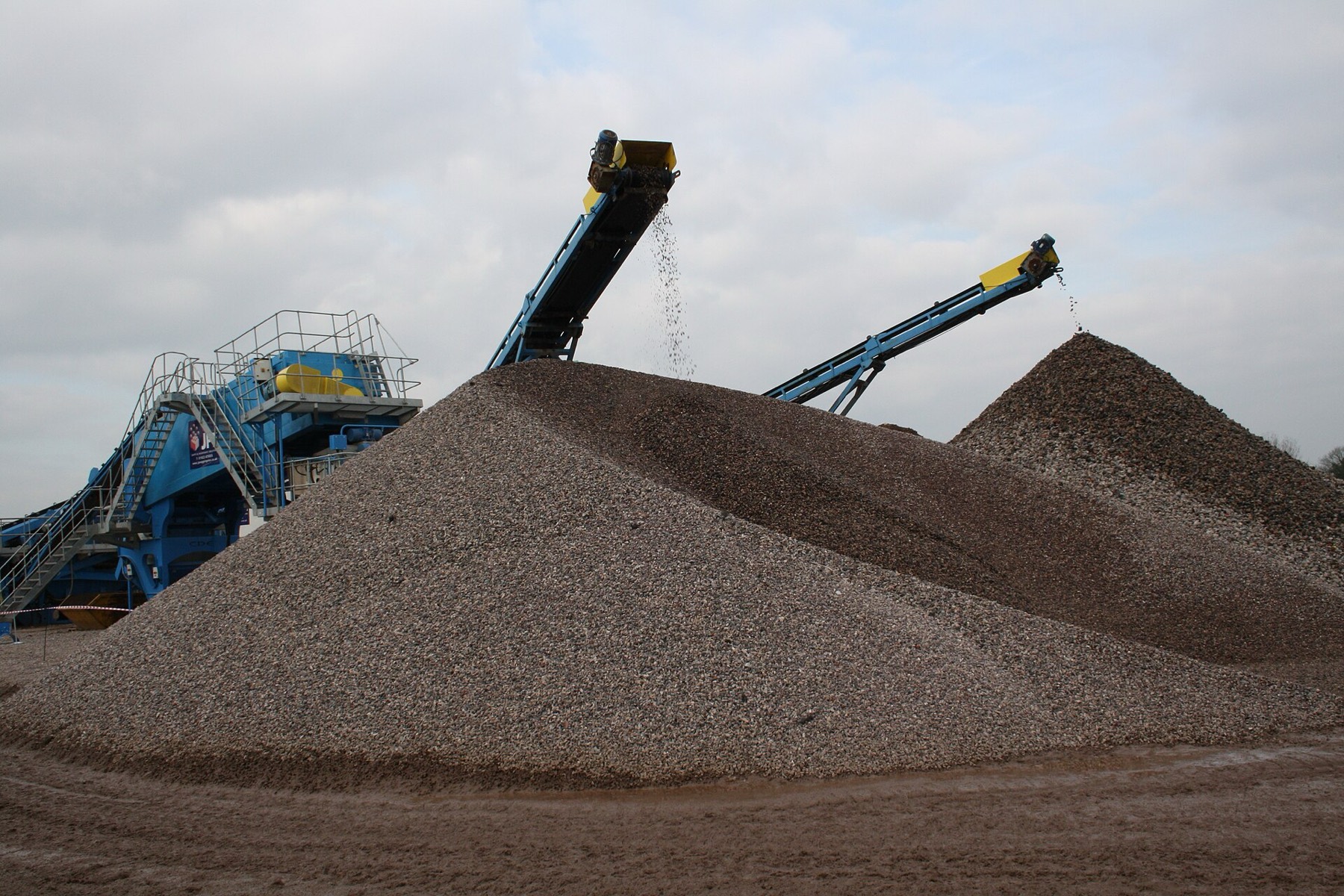
For anyone who orders, sells or moves material.
Stockpiled bulk densities in t/m³, from Caterpillar, Engineering ToolBox and CalRecycle tables. The right-hand figure is the 28.4 m³ demo pile in that material. Type in your own density, and weigh one truck if the tonnes have to be right.
11Questions
You walk a slow lap with the phone while it takes photographs of the pile. When you finish, the phone matches them into a 3D surface, with the LiDAR scanner setting the scale and filling what the photographs missed. It fits the ground from a ring of ground round the pile and works out the volume above that ground. You also get contours, plan and side views, and a 3D model that wears the pile's own photographs.
iPhone first, on iOS 17 or later, with Android following soon after launch. It is best on an iPhone with a LiDAR Scanner, which means iPhone 12 Pro or a later Pro model. Other phones measure from the camera\'s photographs alone: it works, with rougher figures, and the app tells you before you start. It also runs on iPad.
Every scan reports its own evidence: how much of the pile was measured, how much was filled in, how well the ground under it fitted, and how much a centimetre of error in that ground would change the volume. We do not quote an accuracy percentage yet: that needs a run of tests against piles of known volume, and we will publish the figure, and how it was tested, when they are done. A scan that cannot support a volume says why instead of giving one.
Roughly, yes. Our free stockpile volume calculator gives cubic metres and tonnes from a few tape measurements, as long as the pile is close to a simple shape.
No. Stockpile gives indicative volumes for stock management. For volumes that money or contracts depend on, use a licensed surveyor.
Yes. There are four pile modes: open pile, against a wall, in a corner and in a bay. The app finds and locks the walls before you start, then rebuilds the faces you cannot walk. If it cannot find a wall confidently, it warns you instead of guessing.
Yes. Trench or hole mode measures the material dug out: the space below the ground round the edge. Walk along both sides, or right round it, tilting the phone down so the floor and every side are seen. Floor the phone could not see is filled in from the floor round it, counted as estimated, and the result says how much that was.
The ground is fitted from a ring round the pile, so an even slope is handled, and every result shows how good the fit was. The toe, where the pile meets the ground, is traced for you and can be moved by hand on a plan view. Fill, cut and net volumes are given against the fitted ground.
One slow lap. Walk until the app says Ready, so the pile decides, not a timer. The phone then works through the photographs, which can take a few minutes.
You pick the material from a list of sixteen common ones, each with a typical stockpiled density, or type your own. Tonnes are volume times density. Moisture moves density, so for tonnes that have to be right, weigh one truck and use that.
A two-page PDF report, a .usdz 3D model for iPhone, iPad and Mac, and a .glb for everything else. Group scans by project and client to email one project report with a spreadsheet of every pile.
Nowhere. They stay on your phone, photographs included. There is no account, no analytics and no tracking. A report leaves only when you send it, through your own Mail, Gmail or Drive.
The iPhone app is in final testing, and Android follows soon after. It starts with a 3-day free trial, then costs NZ$9.99 a month, with everything in the app included. On iPhone the App Store handles the payment, and you can cancel any time in your Apple ID settings. The waitlist hears first when it launches.
HelixInnovations, in New Zealand. Questions go to Stockpile.volume@gmail.com and a person answers.
12Waitlist
Add your email and the pile you would measure first. You will be first to hear when Stockpile launches, and now and then we will send news about it. Every email has an unsubscribe link.
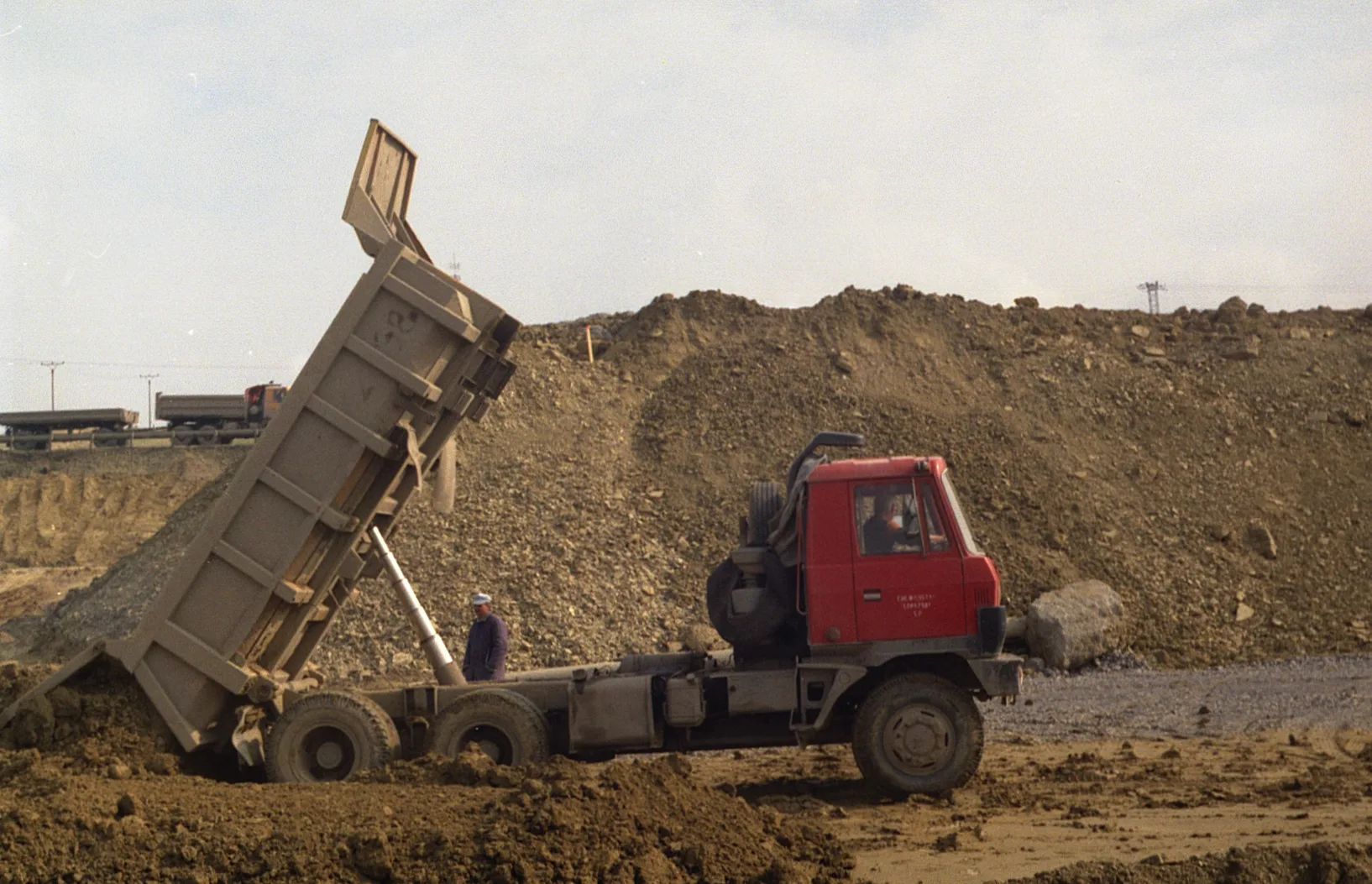
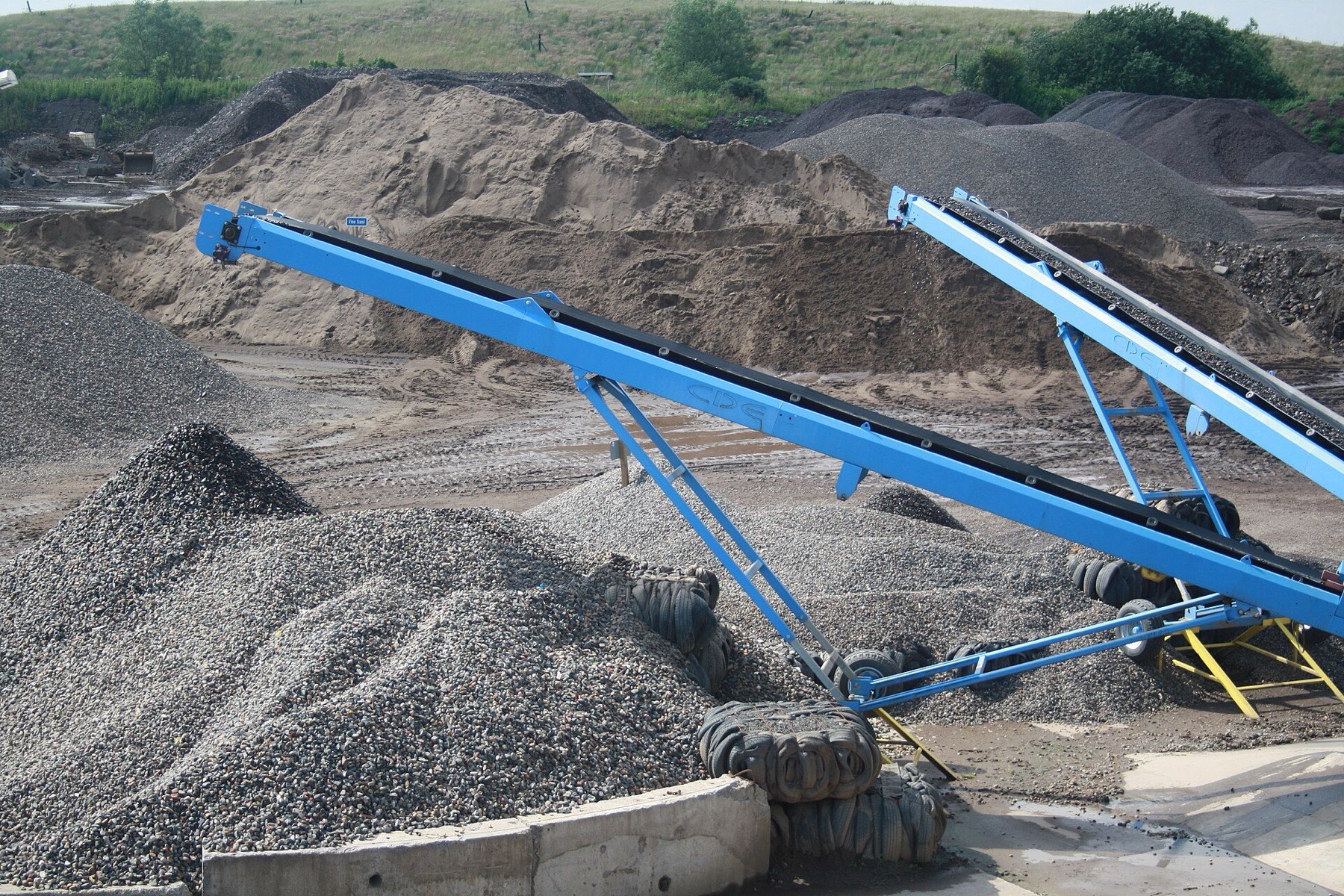
Photographs and video, from Wikimedia Commons: Malcolms aggregate stockpile conveyors, Washed aggregate stockpiles and Recycled aggregate stockpiles by Peter Craven, CC BY 2.0; Komatsu WA500 wheel loader by Syced, CC0; Excavator digging land and loading truck by KEmel49, CC BY-SA 4.0; tipper truck by Oto Zapletal, CC BY 4.0. They show the work, not Stockpile's customers. Photographs resized.
Stockpile gives indicative volumes for stock management. It is not a survey.